Why Flowcharts Need More Than Just Lines and Boxes
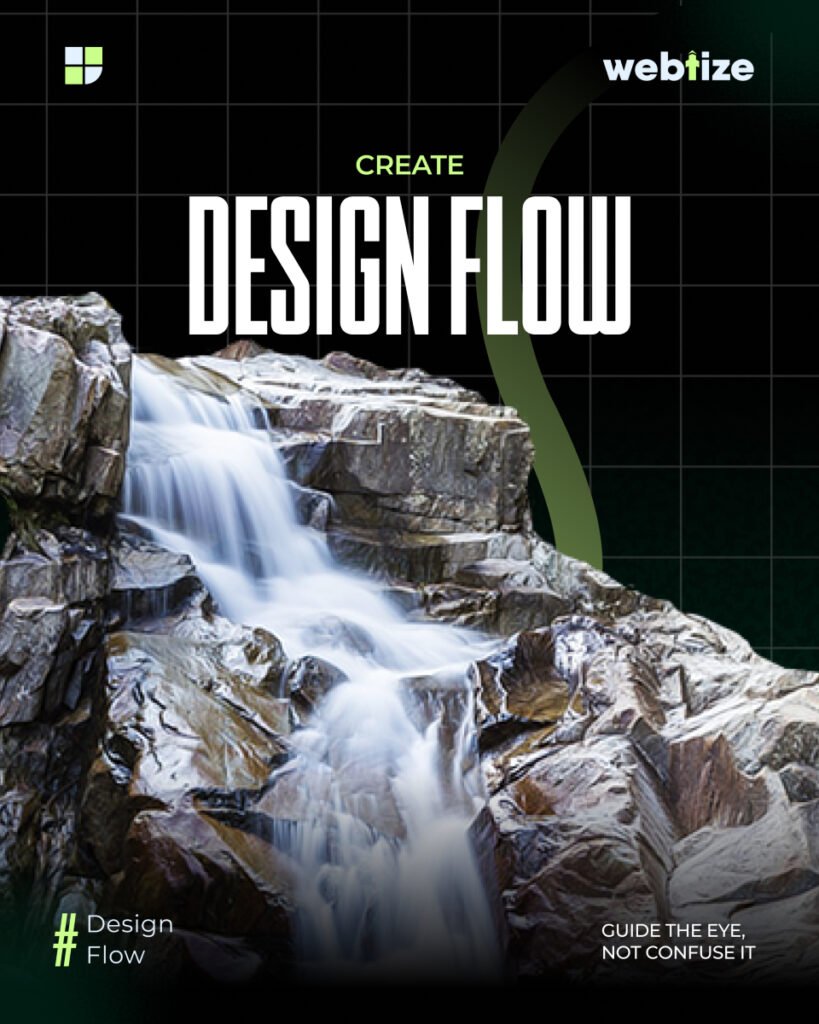
A good design looks nice. A great design flows.
When your audience looks at a flowchart, their eyes should instantly know where to go next. If that flow isn’t clear:
- They will scroll past.
- They will lose interest.
- Your message will be forgotten.
That’s where creative flowchart design comes in. It is not just about shapes and arrows. It is about creating a visual strategy that guides attention, tells a story, and keeps people engaged.
What Is Creative Flowchart Design?
Unlike standard diagrams, creative flow chart design combines clarity with aesthetics. It ensures your process is not only understood but also remembered.
Think of it as storytelling with visuals:
- Shapes and colors represent your characters.
- Connections and pathways form the storyline.
- Strategic design flow ensures the reader moves through your content without confusion.
When done right, a unique creative flowchart design can transform even the most complex process into something simple and engaging.
Why Design Flow Matters in Charts
Flowcharts are often considered basic tools, but in modern communication they play a bigger role. They can:
- Guide Attention – Each element should lead the eye naturally to the next step.
- Tell a Story – A process becomes a journey instead of just instructions.
- Boost Engagement – A thoughtfully designed chart keeps viewers focused instead of skipping ahead.
Tip: Every headline, image, and button in your chart should point toward the next action. Never leave your audience uncertain about what comes next.
Elements of a Flow Chart Creative Design
To create flowcharts that resonate, focus on these principles:
- Hierarchy of Information – Identify the starting point and build a logical structure.
- Visual Balance – Use alignment, spacing, and symmetry to reduce clutter.
- Purposeful Colors – Select a palette that enhances clarity and aligns with your brand.
- Icons and Symbols – Replace generic shapes with meaningful visuals.
- Interactivity (for digital charts) – Add clickable elements or hover effects for more engaging experiences.
Examples of Unique Creative Flowchart Design Applications
- Business Presentations – Showcase company workflows in an engaging way.
- Marketing Funnels – Demonstrate the customer journey from awareness to conversion.
- Education and Training – Simplify complex topics into easy-to-follow steps.
- Project Planning – Map out responsibilities and timelines clearly.
When your flowchart moves beyond simple boxes and arrows, it becomes a powerful communication tool that improves understanding and retention.
How to Improve Your Design Flow Today
- Start with the goal – Know the action you want your audience to take.
- Simplify complex ideas – Focus on what truly matters.
- Design for people – Make layouts intuitive and engaging.
- Test the flow – Share it with someone unfamiliar with the process. If they cannot follow it within seconds, simplify further.
Conclusion
Creative flowchart design is more than decoration. It is strategy.
In a world where attention spans are shrinking, a unique creative flowchart design ensures that your message is not only clear but compelling. The right flowchart does not just explain a process; it guides, persuades, and connects.
The question to ask yourself is simple:
- Does it guide attention?
- Does it tell a story?
- Does it increase engagement?
If the answer is yes, you have created more than a diagram. You have created flow.